
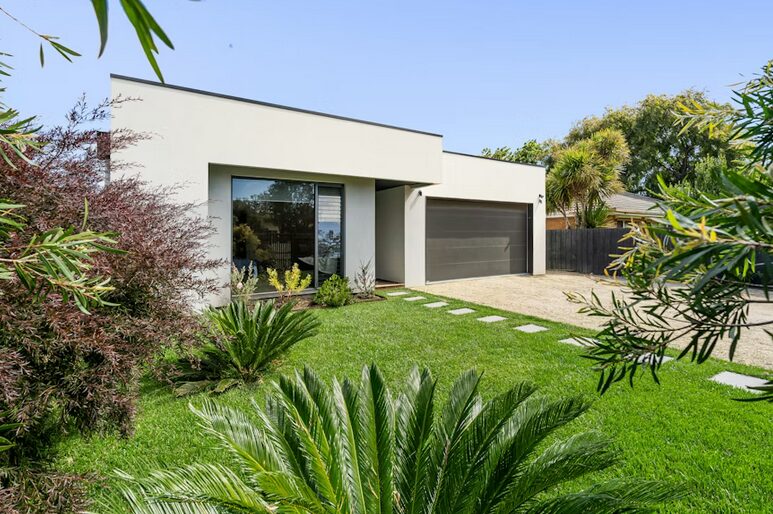
The housing market is evolving, and so are the homes we live in. Modular construction is leading a quiet revolution, changing how houses are designed, built, and experienced. Unlike traditional construction, modular homes are prefabricated in sections and assembled on-site, offering speed, efficiency, and flexibility that conventional building methods can’t match. This approach isn’t just about convenience—it’s about creating homes that adapt to modern lifestyles, reduce costs, and maximize both comfort and sustainability.
Speedy Construction Without Compromise
One of the biggest advantages of modular homes is speed. Because modules are built in a factory while site work occurs simultaneously, construction time is significantly reduced. Homes that might take months or even over a year to build traditionally can be completed in a fraction of the time. Yet, this speed doesn’t compromise quality. Factory-controlled environments ensure precision, reducing errors and delays caused by weather or material inconsistencies. Faster construction means homeowners can move in sooner, and developers can meet demand more efficiently.
Smart, Sustainable Design
Modular homes are also inherently smarter. Many are designed with energy efficiency, smart home integration, and sustainable materials in mind. Builders can incorporate high-performance insulation, solar-ready features, and energy-efficient appliances without the limitations often faced in traditional construction. This forward-thinking approach not only lowers utility costs but also supports a more sustainable lifestyle, proving that modular homes are more than just a quick build—they’re an investment in smarter, greener living.
Flexibility for Modern Lifestyles
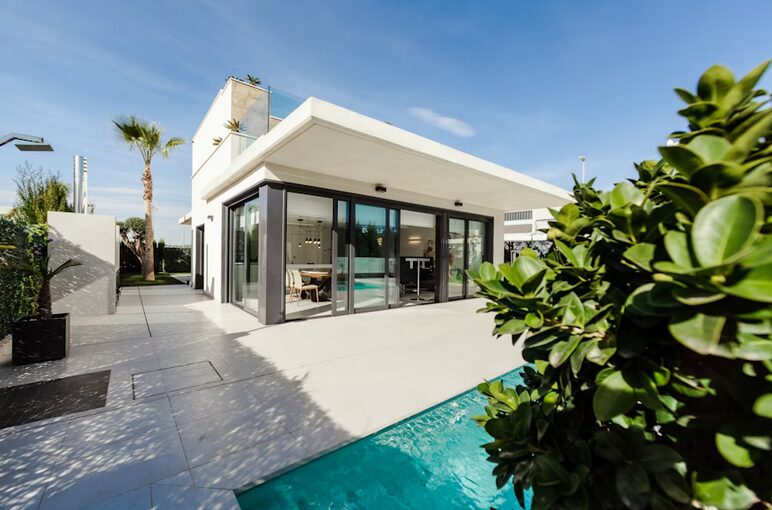
Perhaps the most compelling aspect of modular construction is flexibility. Modules can be customized to suit individual needs, whether it’s a growing family, a home office, or an accessible design for aging in place. Future expansion is easier, too: additional modules can be added with minimal disruption, making it possible for a home to evolve alongside its occupants. This adaptability meets the needs of modern homeowners who prioritize functionality and long-term value over rigid, one-size-fits-all designs.
Cost-Effective Solutions
Building a traditional home can come with unpredictable expenses, from labor delays to material price fluctuations. Modular construction offers cost predictability and often savings. Factory-based production reduces waste and labor costs, while controlled timelines prevent expensive overruns. For buyers, this means a high-quality home with fewer surprises and more value for the money, making modular living an attractive option for first-time buyers, retirees, and anyone seeking efficiency without compromise.
A New Standard of Quality and Comfort
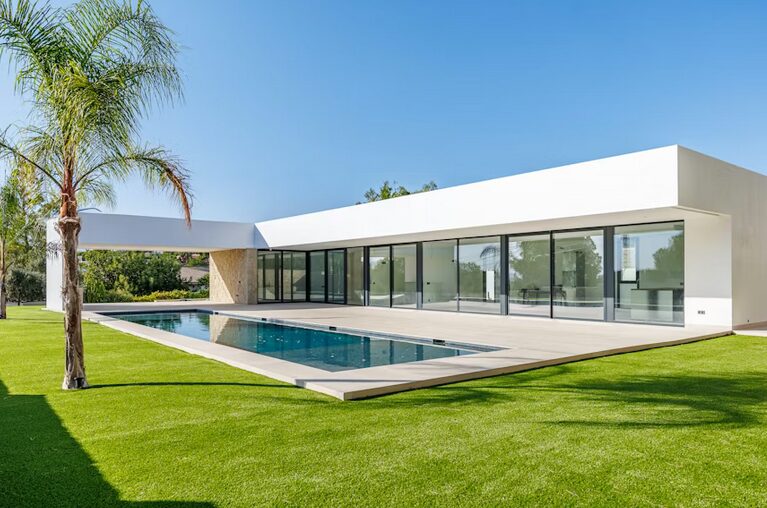
Beyond speed and cost, modular homes challenge the misconception that prefabricated equals cheap or temporary. Modern modular homes are architecturally sophisticated, structurally sound, and built to last. Quality control in factories ensures precision in assembly, finishes, and systems. Homeowners enjoy the same durability, comfort, and aesthetic appeal as traditional homes, but with added advantages in energy efficiency, customization, and adaptability.
The modular revolution is reshaping what it means to build and live in a home. Faster construction, sustainable design, customizable layouts, cost savings, and enduring quality make modular homes a compelling choice for modern living. By embracing this approach, homeowners gain flexibility, efficiency, and innovation—all while enjoying the comfort and style of a thoughtfully designed space. Modular homes are not just a building method; they’re a forward-looking lifestyle, proving that faster, smarter, and more flexible living is entirely possible.…

 Smart home technology can transform your daily
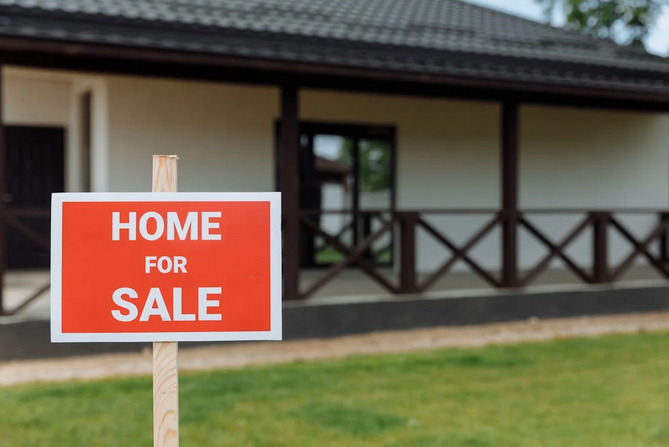
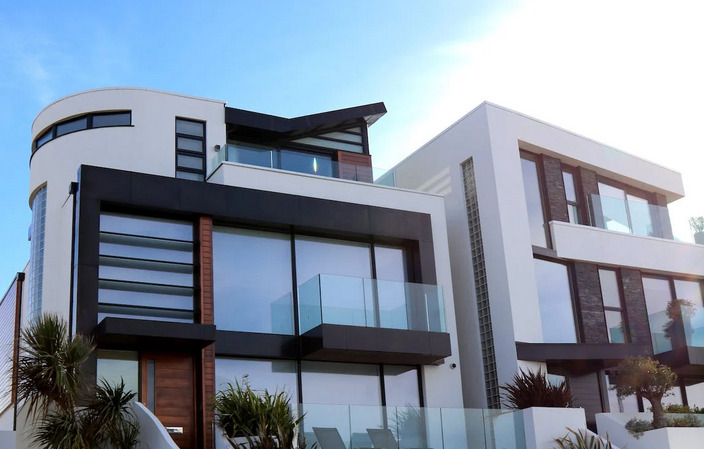
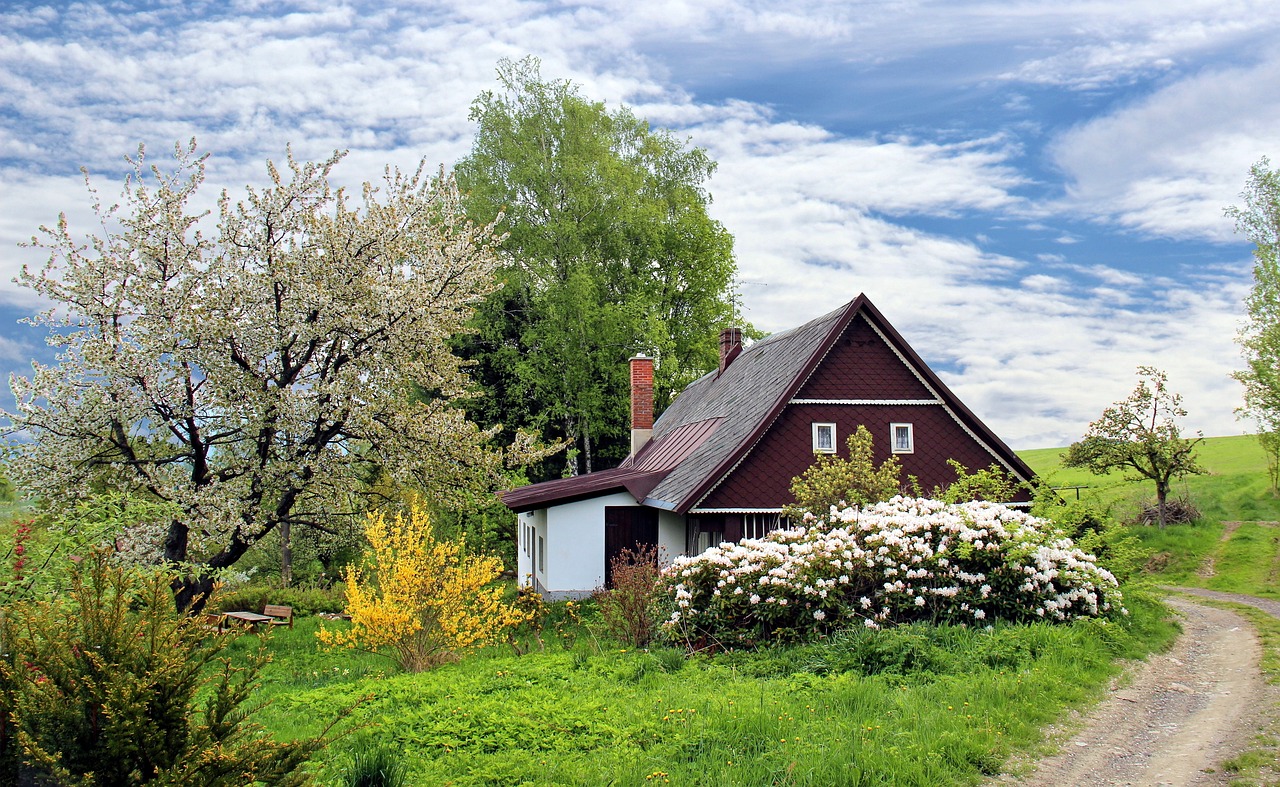
 One advantage of landscaping your home is that it increases the value of your property. Landscaping projects are an investment, and when done correctly, can yield a high return. By improving the curb appeal and the overall aesthetics of your home, potential buyers will be more willing to invest in your property. Many buyers will even pay a premium for a home that is already landscaped and maintained.
 The last advantage of landscaping for your home is that it creates more space for entertainment. By adding outdoor living spaces such as patios and decks, you can create an inviting area where family and friends can gather to socialize and relax. You may even want to add a fire pit or barbecue area so that you can enjoy summer nights in the comfort of your yard.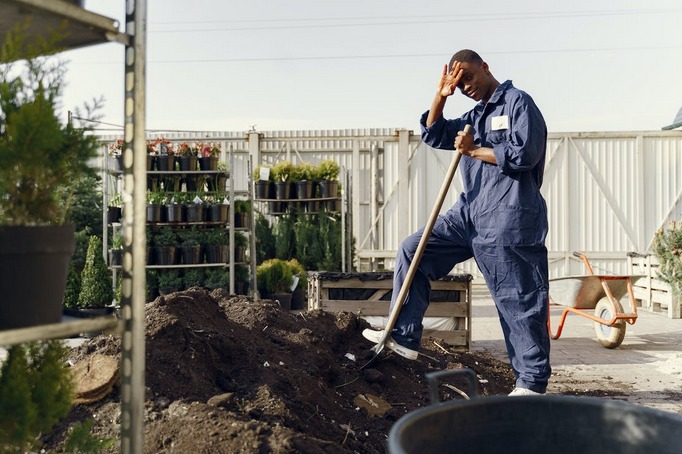
 The number of years a contractor has been in business is essential. It’s not the only thing to consider, but it’s an excellent place to start. You want to hire a company with at least three years of experience. This way, you can be sure they have the knowledge and expertise to do the job right. Ask the contractor for references from past clients. This will give you a good idea of the quality of their work. Be sure to follow up with these references to get their honest opinion. It’s also important to consider the size of the company. Find a balance that works for you and your budget.